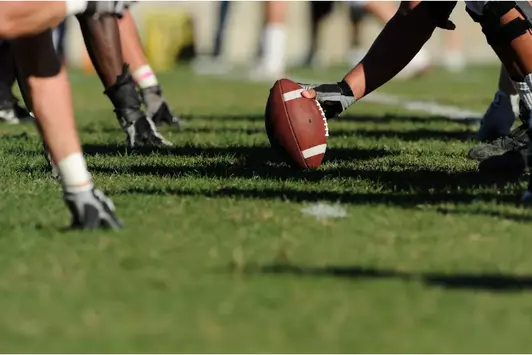
Watch the film is advice athletes hear constantly, but it may be just as powerful inside modern workplaces. Many professionals ask how to make meetings more productive, inclusive, and decisive. The answer may already exist in recorded meeting footage that teams rarely revisit. Like game film, meetings capture missed cues, uneven participation, and moments where small adjustments could change outcomes. With most meetings now recorded, organizations are sitting on untapped performance data. The challenge is learning how to use it constructively.
In sports, reviewing film reveals patterns that are invisible in real time. Coaches spot subtle errors, timing issues, and opportunities for improvement. The same principle applies to meetings. In the moment, participants are focused on speaking, listening, or multitasking. Afterward, video allows teams to slow down and observe dynamics objectively. That distance turns discomfort into insight. Improvement becomes practical rather than personal.
For many employees, meetings now consume half the workday. These sessions are where ideas compete, decisions form, and influence is established. Yet most people show up as passive observers rather than active contributors. Side chats, email replies, and disengagement replace strategic participation. Without accountability, there is little incentive to improve. Watching the film reframes meetings as performances that matter.
According to workplace research, most business meetings are already recorded. The recordings are typically used for summaries or transcripts generated by AI tools. That approach captures what was said, but not how it was said or who was missing from the conversation. Video reveals tone, hesitation, interruption, and silence. These signals are critical to understanding team effectiveness. Ignoring them wastes valuable insight.
One of the hardest parts of workplace feedback is specificity. Comments like “speak up more” or “be more engaged” leave employees guessing. Reviewing recorded meetings changes that dynamic. Managers can reference exact moments and ask reflective questions about decision-making and context. This turns feedback into a coaching conversation instead of a critique. It also allows employees to share what they noticed, including signals that discouraged participation.
Watching the film works best when teams know what to observe. Leaders can examine how airtime was distributed and whether all voices were invited in. Engagement levels often reveal design flaws in the meeting itself. Clear recaps of decisions and next steps are another key marker of effectiveness. Teams can also spot individuals who connect ideas and move conversations forward. Each review creates a blueprint for better meetings next time.
When done well, reviewing meetings can strengthen trust rather than erode it. The goal is learning, not surveillance. Openly watching footage together normalizes growth and shared accountability. It shows that performance is shaped by systems, not just personalities. Over time, teams become more intentional about how they show up. Meetings shift from endurance tests to skill-building opportunities.
Organizations that want a culture of continuous improvement should start with the work that happens every day. Meetings are frequent, familiar, and full of teachable moments. Watching the film makes learning visible and collective. Small adjustments compound quickly when teams reflect together. The result is sharper thinking, stronger collaboration, and meetings that actually move work forward.


Comment