In safety-first industries, leaders are increasingly asking a new question: why are accidents, turnover, and miscommunication happening despite strong technical training? The answer, according to a growing body of research, is emotional intelligence. EQ in safety-focused workplaces is now emerging as a measurable driver of retention, trust, and frontline performance—especially in sectors long dominated by command-and-control leadership. As construction and materials companies face labor shortages and rising safety expectations, the organizations investing in emotional intelligence are seeing cultural and operational gains others can’t ignore.
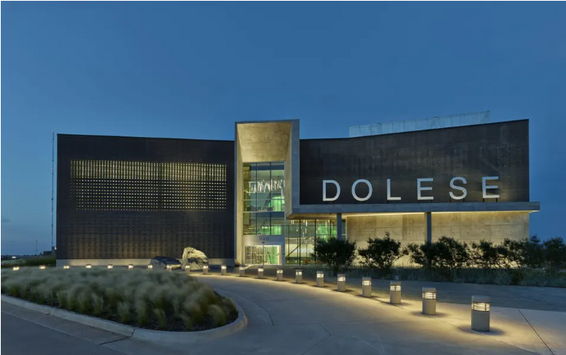
Dolese Bros, a major building materials supplier across Oklahoma and North Texas, is one company redefining what safety leadership looks like. With 1,200 employees across 65 locations, the company concluded that technical expertise alone could not sustain performance. Their turning point came when CEO Mark Helm discovered a major disconnect between leadership assumptions and employee reality on safety. Emotional intelligence training became the unexpected solution. Leaders began forging genuine relationships with frontline teams, discovering that connection—not control—was the missing link to stronger accountability conversations.
This cultural transformation did not begin as a “soft skills” experiment. It emerged from urgent safety needs. Leaders realized that knowing an employee’s hobbies, family, or communication style directly improved how coaching and safety expectations were delivered. It shifted the company from compliance-driven interactions to trust-driven conversations. With stronger relationships, teams reported clearer communication, more openness about risks, and a greater willingness to speak up early—an essential factor in preventing incidents.
To embed these behaviors, Dolese launched Dolese Leading Effectively, a rigorous two-year leadership development program. Unlike traditional workshops, the program requires bimonthly full-day training, virtual coaching circles, filmed coaching sessions, and a final leadership legacy presentation. Year one focuses on foundational leadership, while year two advances into trust-building, influence, and EQ-driven coaching. Filming participants in real coaching scenarios gives facilitators insight into tone, expressions, and self-awareness—skills essential for leaders in high-risk environments.
The program anchors its growth model in structured assessments, including the Travis Bradberry Emotional Intelligence Test and the Right Path personality profile. Together, these tools allow leaders to see how personality traits influence emotional responses. Facilitators help participants connect patterns—such as bluntness or impulsive reactions—and practice reframing behaviors. This data-driven approach gives leaders a clearer picture of how they are perceived and how their communication directly affects safety, morale, and productivity.
Transforming a legacy culture required unwavering support from the executive team. Ramirez and Hillemeyer credit CEO Mark Helm for championing the shift, even when difficult conversations were necessary. Executive–frontline breakfasts, early-morning dialogues, and visible involvement from top leadership built credibility. The message was clear: emotional intelligence wasn’t an optional initiative—it was a strategic pillar. As trust deepened, the entire organization began operating with a shared understanding that care, communication, and accountability go hand in hand.
The program’s results have sparked organic demand across the company. Leadmen who were not originally included began requesting coaching circles. Individual contributors now seek out EQ development as part of their career path. Today, Dolese runs 10 coaching circles outside the core program and is training more facilitators to meet rising interest. Employees from different sites are discovering shared challenges, reducing silos, and building cross-location collaboration—all outcomes tied directly to emotional intelligence.
As automation reshapes heavy industry—from autonomous haul trucks to remote-operated plants—Dolese believes emotional intelligence will be central to adaptation. Leaders are helping employees move from fixed to growth mindsets, preparing them for rapidly evolving roles. One employee who once claimed he “wasn’t technical” can now run an entire plant from a tablet. These shifts demonstrate that EQ doesn’t just make teams safer—it makes them more resilient and ready for the future.
Dolese’s story shows that emotional intelligence, when practiced consistently and supported from the top, can transform a traditionally high-risk, high-pressure environment. EQ in safety is no longer a soft concept—it is becoming a competitive advantage shaping retention, trust, culture, and long-term performance. As the industry accelerates toward automation and heightened safety expectations, companies that invest in emotional intelligence may ultimately stand the strongest.
𝗦𝗲𝗺𝗮𝘀𝗼𝗰𝗶𝗮𝗹 𝗶𝘀 𝘄𝗵𝗲𝗿𝗲 𝗿𝗲𝗮𝗹 𝗽𝗲𝗼𝗽𝗹𝗲 𝗰𝗼𝗻𝗻𝗲𝗰𝘁, 𝗴𝗿𝗼𝘄, 𝗮𝗻𝗱 𝗯𝗲𝗹𝗼𝗻𝗴. We’re more than just a social platform — from jobs and blogs to events and daily chats, we bring people and ideas together in one simple, meaningful space.



Comments