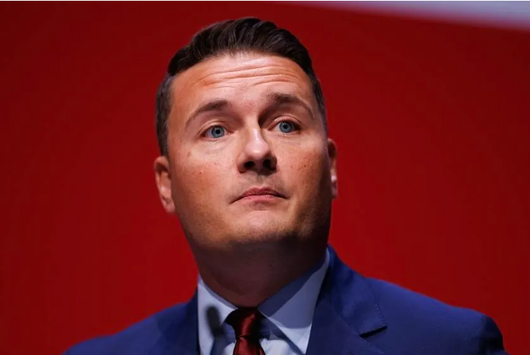
Searches for “Is ADHD overdiagnosed in the UK?” and “Why are ADHD diagnoses rising?” have surged in recent months—especially after Wes Streeting announced a formal review. But while the headlines warn of runaway diagnoses, the deeper data tells a more complicated story. Disability claims have risen, yes, but so has awareness of long-missed symptoms, post-viral illness, and decades of underdiagnosis. As the conversation heats up, experts warn that focusing solely on overdiagnosis risks obscuring a far more urgent public-health problem.
The numbers driving public concern are dramatic. Personal Independence Payment (PIP) claims linked to ADHD have jumped from under 30,000 in 2020 to nearly 80,000 this year, while total disability claims climbed from 2 million pre-pandemic to 2.9 million in 2024. Politically, the rise is framed as unsustainable. Medically, it signals something deeper. ADHD remains underdiagnosed in the UK, with fewer than 1% formally diagnosed despite research indicating a prevalence rate of 3–4%. And the stakes are high: ADHD is associated with a significantly reduced life expectancy—8.6 years for women and 6.8 years for men. For clinicians, this is not a frivolous diagnosis. It is an urgent one.
Critics often suggest that ADHD diagnoses reflect cultural contagion or the influence of TikTok. But the science says otherwise: ADHD has one of the highest heritability rates of any mental-health condition, with genetic studies estimating more than 70% heritability. What’s changing is not the condition—it’s detection. For decades, women, people of color, and working-class communities were systematically underdiagnosed or misdiagnosed. As more adults seek assessment, many are not chasing labels but finally receiving clarity they were previously denied. Dismissing this as a trend ignores both the science and the lived reality of thousands who struggled in silence.
Frontline practitioners report a very different pattern than the public narrative suggests. Private clinicians and NHS GPs are seeing patients with worsening fatigue, brain fog, and autonomic symptoms since the pandemic—symptoms that disproportionately affect neurodivergent people. Dr. Asif Ahmed, a GP with extensive experience treating post-viral patients, notes that these individuals are trying to stay in work, not escape it. Many are exhausted, frustrated, and desperate for proper care. When commentators imply malingering, they miss the complexity of what doctors are actually observing. The spike is not driven by fads—it’s driven by people getting sicker.
A growing body of evidence suggests that the UK may be misreading the rise in ADHD diagnoses altogether. Hypermobility—far more common among ADHDers than the general population—makes individuals more susceptible to viruses, pollution, and post-viral complications. COVID-19 amplified these vulnerabilities. The result: inflammation, cognitive dysfunction, fatigue, and racing pulse, all of which mimic or worsen ADHD symptoms. Yet when patients report these issues, the ADHD label is often used as a catch-all explanation. This “diagnostic overshadowing” prevents them from accessing rheumatology, cardiology, or immunology support. Siloed healthcare systems mean the dots rarely get connected, leaving many without appropriate treatment.
Government narratives linking rising diagnoses to declining productivity miss a critical point. Restricting assessments will not get Britain working. Treating the underlying health issues might. Neurodivergent adults are not belligerent or lazy—they’re unwell. And many of the interventions they need for inflammation or post-viral syndrome are inexpensive and widely available. What’s missing is integrated care. Until policymakers address the health factors driving disability, they risk mistaking illness for unwillingness and designing policies that worsen both productivity and public trust.
The original aim of neurodiversity advocacy was to unlock talent, not expand welfare rolls. ADHDers wanted support to thrive in education and work—not handouts. Today’s rising claims reflect a collision of long-standing underdiagnosis and new post-viral health realities, not a sudden cultural shift toward dependency. The real question is not whether ADHD is being overdiagnosed—it’s why so many neurodivergent people are now too unwell to remain in the workforce. That inquiry requires medical investigation, not motivational speeches.
The surge in diagnoses isn’t an indictment of ADHD assessments—it’s a signal that something larger is happening. Whether the root cause is inflammatory, viral, environmental, or systemic, one thing is clear: ADHD isn’t forcing thousands out of work. Illness is. And unless the UK builds joined-up healthcare that connects psychiatry with immunology and cardiology, the country will continue misdiagnosing, misinterpreting, and misunderstanding a growing public-health crisis. Wes Streeting’s review may start with ADHD, but the real answers lie much closer to home.
𝗦𝗲𝗺𝗮𝘀𝗼𝗰𝗶𝗮𝗹 𝗶𝘀 𝘄𝗵𝗲𝗿𝗲 𝗿𝗲𝗮𝗹 𝗽𝗲𝗼𝗽𝗹𝗲 𝗰𝗼𝗻𝗻𝗲𝗰𝘁, 𝗴𝗿𝗼𝘄, 𝗮𝗻𝗱 𝗯𝗲𝗹𝗼𝗻𝗴. We’re more than just a social platform — from jobs and blogs to events and daily chats, we bring people and ideas together in one simple, meaningful space.



Comments