Betty Boop’s Dizzy Dishes Debut Still Surprises Fans
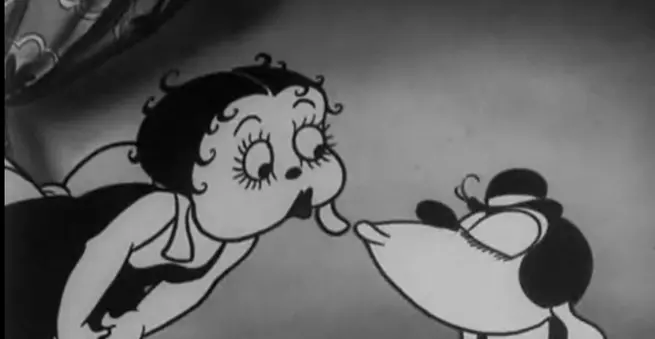
Betty Boop first appeared in Dizzy Dishes as an anthropomorphic dog, a detail that still sparks curiosity among animation fans today. Many readers search to understand when Betty Boop debuted, what she originally looked like, and how her character evolved into a global icon. Released by Fleischer Studios, Dizzy Dishes introduced audiences to a playful, jazz-era cartoon style that defined early animation. Few could have predicted that this quirky supporting character would soon eclipse others in popularity. Her debut marked a creative turning point for animated storytelling. It also reflected the experimental spirit of late-1920s cartoons. That legacy continues to influence pop culture discussions nearly a century later.
Dizzy Dishes and the Birth of an Iconic Character
In Dizzy Dishes, Betty Boop was not yet the flapper-style star audiences recognize today. She appeared as a dog-like character, complete with floppy ears and exaggerated expressions common in early animation. Fleischer Studios often tested character designs before finalizing them, and Betty was no exception. Animators relied heavily on jazz music, rubber-hose animation, and surreal humor to stand out. This experimental approach allowed Betty’s character to evolve rapidly. Within a few short years, she transformed into a human flapper figure. That evolution helped cement her place in animation history.
Fleischer Studios’ Creative Experimentation
Fleischer Studios played a crucial role in shaping early animated storytelling. Unlike competitors, the studio leaned into urban themes, music, and adult-oriented humor. Dizzy Dishes showcased this style through lively backgrounds and rhythmic movement. Betty Boop’s debut benefited from this creative freedom. Animators were not constrained by rigid character rules, allowing personalities to develop organically. This flexibility helped Betty resonate with audiences. It also set the stage for her rapid rise to stardom. Fleischer’s willingness to experiment became a defining strength.
Why Betty Boop’s Early Design Matters Today
Modern audiences often overlook Betty Boop’s original design, but it reveals how animation adapts to cultural tastes. Her dog-like appearance reflected a time when cartoons favored exaggerated, animal-based characters. As audience preferences shifted, Betty evolved into a more human form. This transition mirrored broader changes in entertainment during the early 1930s. It also demonstrated how studios responded to viewer feedback. Betty’s redesign wasn’t accidental; it was strategic. That adaptability remains a lesson for today’s creators.
Copyright Concerns and Creative Constraints
Early cartoons like Dizzy Dishes existed in a very different copyright landscape. Creators freely referenced popular music and cultural trends without anticipating long-term restrictions. Today, writers and filmmakers face tighter copyright rules, especially when using older songs or media. Even works from the 1920s can remain protected. This reality often forces creators to alter or omit references. The contrast highlights how creative freedom has changed over time. Betty Boop’s era felt more open, even if less regulated.
The Lasting Legacy of Dizzy Dishes
Dizzy Dishes may seem like a simple early cartoon, but its impact runs deep. It introduced one of animation’s most enduring characters in an unexpected form. Betty Boop’s debut reminds audiences that iconic figures often start as experiments. Her journey from background character to cultural symbol reflects the power of audience connection. Nearly a century later, fans still analyze her origins. That enduring interest proves the lasting value of early animation. Dizzy Dishes remains a cornerstone of cartoon history.




Comment