Apple Intel investment rumors surged overnight after a comment from President Donald Trump appeared to link Apple with Nvidia in backing Intel. Many readers are asking the same questions: Did Apple actually invest money in Intel, or was this simply a verbal slip? Is Apple partnering with Intel on chip manufacturing instead of buying shares? Within hours, analysts, investors, and tech watchers were debating what the statement really meant and why it matters for the future of the global chip industry.
Trump’s Comment That Triggered Apple Intel Investment Speculation
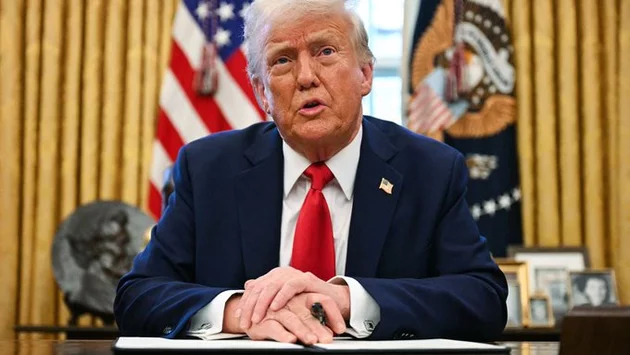
Speaking to reporters during a press briefing, President Trump suggested that Apple and Nvidia followed the US government into Intel. His wording implied that once the government committed to Intel, “Apple went in, Nvidia went in, a lot of smart people went in.” The phrasing immediately raised eyebrows because no public filings or official announcements confirm an Apple equity investment in Intel.
Markets reacted cautiously rather than explosively, which often signals uncertainty rather than confirmation. Analysts quickly noted that such a major move by Apple would almost certainly require regulatory disclosures. Without those filings, many believe the comment may have been misunderstood or overstated rather than revealing new information.
No Official Evidence of an Apple Equity Stake in Intel
Despite the attention, there is still no concrete proof of an Apple Intel investment in the form of share ownership. Apple is known for transparency when it comes to material financial moves, especially those involving large public companies. An equity purchase of Intel would be considered significant and would not remain hidden for long.
Industry observers point out that even strategic minority investments typically appear in public records. The absence of documentation strongly suggests Apple has not bought Intel stock, at least not in a way that would materially impact either company. This gap between rhetoric and evidence is fueling the theory that Trump may have been referring to something else entirely.
Apple Intel Chip Manufacturing Deal: A More Likely Explanation
A more plausible explanation centers on a potential Apple Intel chip manufacturing agreement rather than an ownership stake. Apple has been exploring ways to diversify its chip supply chain, especially as demand for advanced processors continues to grow. Intel’s next-generation manufacturing processes have been frequently mentioned as possible options for future Apple silicon.
If Apple were to rely on Intel for producing certain chips, especially entry-level or specialized components, that could easily be described as “going in” from a political perspective. Such contracts can involve billions of dollars over time, even though they do not involve buying shares. This interpretation aligns more closely with Apple’s historical approach to partnerships.
Why Intel’s Advanced Packaging Technology Matters to Apple
Another factor adding weight to the partnership theory is Apple’s apparent interest in advanced chip packaging. Recent job listings associated with Apple and key hardware partners highlight experience with Intel’s embedded multi-die interconnect bridge technology. This packaging method allows multiple chip components to work together more efficiently.
For Apple, packaging innovation is almost as important as raw performance. Better packaging can lead to thinner devices, improved battery life, and higher performance per watt. Intel’s capabilities in this area could make it an attractive manufacturing partner even without any financial investment.
Nvidia, Intel, and the Bigger Strategic Context
Nvidia’s name being mentioned alongside Apple adds another layer of complexity. Nvidia has openly discussed strategic collaborations and supply chain planning in the US, making Trump’s comment partially accurate in Nvidia’s case. By grouping Apple and Nvidia together, the statement may have oversimplified very different types of involvement.
From a broader view, the US government has been encouraging domestic semiconductor strength. References to major tech companies “going in” may reflect support through contracts, commitments, or long-term planning rather than direct investments. This context matters when interpreting political language versus corporate reality.
Why the Apple Intel Investment Question Still Matters
Even if no equity investment exists, the conversation itself highlights how closely Apple’s chip strategy is being watched. Any deeper relationship with Intel could signal changes in how Apple balances performance, cost, and geopolitical risk. It also underscores Intel’s push to regain relevance as a leading manufacturer after years of challenges.
For investors and consumers alike, the key takeaway is not a confirmed Apple Intel investment but the possibility of stronger collaboration. That alone could influence future devices, supply chains, and competition in the semiconductor market. Until official statements emerge, the story remains one of speculation rather than confirmation.
What to Watch Next in the Apple Intel Story
Clarity will likely come from corporate disclosures rather than political comments. If Apple signs a major manufacturing deal, it may surface through supply chain reporting or future product announcements. If no such deal exists, the speculation may fade as quickly as it appeared.
For now, the Apple Intel investment narrative serves as a reminder that words spoken casually can ripple through markets and media. Whether it was a slip of the tongue or a simplified description of a complex relationship, the interest it generated shows how powerful Apple’s name remains in shaping tech industry conversations.





Array