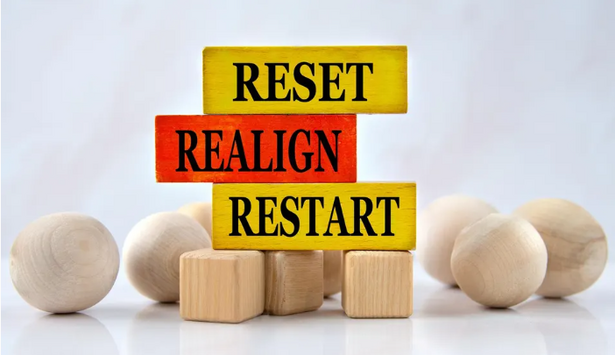
If you feel stuck at work but aren’t ready to resign, you’re not alone—and you’re not out of options. Many high performers hit targets yet still feel restless as the year ends. Searches for “how to reset your career without quitting” spike every December, and for good reason. Economic uncertainty, career pressure, and burnout make jumping jobs feel risky. The good news is that a full career reset doesn’t always require a resignation letter. In many cases, it simply requires a smarter strategy inside your current role.
By late December, reflection turns into frustration for a large share of the workforce. Studies consistently show that lack of growth, not pay, is one of the top reasons people feel disengaged at work. Younger workers, especially those in their late 20s and early 30s, feel pressure to “have it all figured out” by now. Yet they often find themselves performing well while quietly losing enthusiasm. When your job consumes nearly a third of your daily life, that emotional disconnect spills into everything else. Feeling stuck doesn’t mean you’re failing—it usually means you’ve outgrown your current rhythm.
Instead of waiting for a promotion or external validation, career momentum can be rebuilt through small, intentional challenges. These “mini missions” act like micro-promotions that stretch your skills just enough to restore excitement. Leading a small project, learning a new tool, mentoring a colleague, or shadowing a senior teammate all count. Each one broadens your professional identity without requiring permission or a new title. Over time, these small wins quietly reshape how others see you—and how you see yourself. This is especially powerful early in your career, when confidence is still under construction.
One of the fastest ways to reset your career mindset is to start documenting what you’ve already achieved. When praise is scarce and promotions feel distant, it’s easy to believe you’re standing still. In reality, progress is often happening quietly through problem-solving, teamwork, and reliability. Writing down wins—big or small—builds visible proof of growth. Over weeks, this record becomes a motivation engine and a confidence builder. It also becomes powerful evidence when new opportunities finally appear.
Career frustration often triggers impulsive decisions, including dramatic resignations that don’t always solve the real problem. Before labeling your job as the enemy, pause and identify what’s actually draining you. Is it boredom, burnout, lack of challenge, or misalignment with your values? Many people don’t hate their role—they hate how it currently feels. Writing down your frustrations clarifies patterns and makes emotional stress easier to manage. Taking time to reflect allows you to fix the right problem instead of escaping the wrong one.
Networking isn’t only for job searches—it’s essential for long-term career energy. Reconnecting with people outside your daily routine can instantly shift your perspective. Casual career conversations often remind you that everyone feels uncertain at times, even those who look successful online. These low-pressure check-ins spark new ideas, confidence, and sometimes unexpected opportunities. When networking is detached from desperation, it becomes authentic and powerful again. Many career pivots quietly begin with nothing more than a genuine conversation.
Career growth doesn’t always mean a promotion, a pay raise, or a new title. For many professionals, real progression looks like better balance, stronger skills, creative freedom, or healthier boundaries. The belief that success only moves upward traps people into unnecessary dissatisfaction. When you redefine progression on your own terms, pressure begins to lift. Growth becomes something you build daily rather than something you wait for. This shift alone can dramatically reset how your job feels.
Many professionals plan career changes for the new year, but mass quitting often leads to rushed decisions and regret. Resetting your career internally gives you leverage, clarity, and emotional stability. It allows you to rebuild confidence, sharpen your value, and test personal growth without financial risk. Even if you still decide to leave later, you’ll do so from a stronger position. In today’s uncertain job market, patience paired with strategy often beats panic paired with change. Sometimes the most powerful career move is not walking away—but redesigning where you stand.
𝗦𝗲𝗺𝗮𝘀𝗼𝗰𝗶𝗮𝗹 𝗶𝘀 𝘄𝗵𝗲𝗿𝗲 𝗿𝗲𝗮𝗹 𝗽𝗲𝗼𝗽𝗹𝗲 𝗰𝗼𝗻𝗻𝗲𝗰𝘁, 𝗴𝗿𝗼𝘄, 𝗮𝗻𝗱 𝗯𝗲𝗹𝗼𝗻𝗴. We’re more than just a social platform — from jobs and blogs to events and daily chats, we bring people and ideas together in one simple, meaningful space.



Comments